
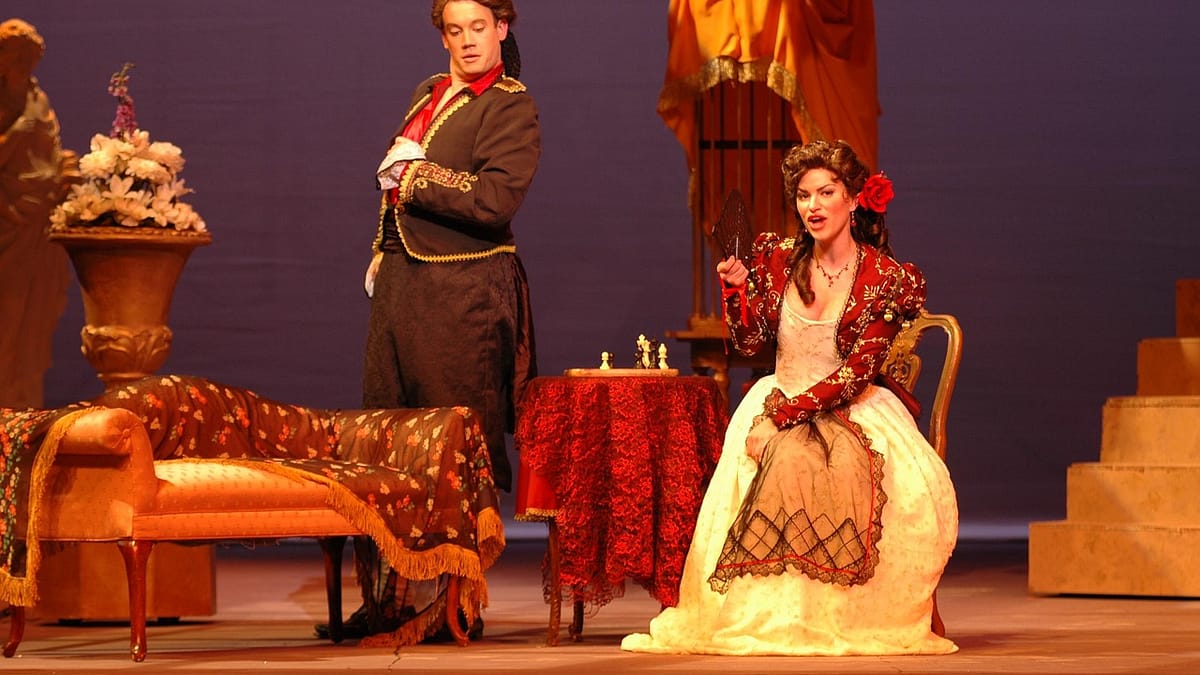
Live theater brings stories to life in a way few other media can. It’s bold, immediate, and emotional. Audiences enjoy the spectacle, the craft, and the performance, often without realizing the work and cost that go into every scene. Behind every playbill is a production team working tirelessly to stretch limited funds while delivering unforgettable moments, something even the no exit playwright would recognize as part of theater’s enduring struggle between art and constraint.
Plan With Purpose
A production budget doesn’t begin with numbers. It starts with vision. The artistic director or producer chooses a show based on more than just creative inspiration. They look at audience appeal, technical demands, and how the story aligns with the company’s goals. Then, the financial side kicks in. Costs are projected. Revenue from ticket sales, sponsorships, and grants is estimated. Budgets are set early so that each department has guidelines for sets, lighting, costumes, and more. This planning phase is crucial. It ensures that creative ideas are supported by practical boundaries.
Rights and Royalties Add Up
Before a single rehearsal begins, theater companies must secure rights to perform the show. This is especially true for musicals and well-known plays. Licensing fees vary, depending on the popularity of the piece and the size of the theater. These fees are non-negotiable and must be paid upfront. For smaller companies, choosing a show with lower royalty costs can free up funds for other needs. In contrast, a high-profile production might attract bigger crowds, helping offset its higher cost. Striking the right balance is key.
People Are the Largest Expense
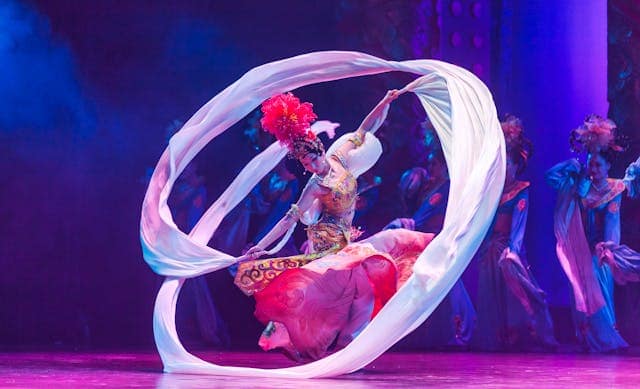
Most of the budget goes to the people involved. That includes actors, directors, designers, stagehands, and musicians. Some are full-time, but many are contract workers hired per production. Whether union or non-union, they must be paid fairly for their time and talent. Theater companies must also account for rehearsals, which often run several weeks. Even small cast shows involve hours of preparation. Scheduling, coordination, and compensation for that time all impact the final budget.
Materials, Sets, and Construction
Building a set is a blend of art and engineering. Every wall, platform, and staircase must be designed, built, and made safe for repeated use. Lumber, paint, hardware, and tools quickly become costly. To reduce spending, companies often reuse materials from previous productions. They may also rent or borrow scenic elements from other theaters. These strategies help keep expenses down without compromising on quality. Still, when a show requires a completely new look, there’s no substitute for custom design.

Costumes and Wardrobe Maintenance
Costumes are another essential and expensive piece of the puzzle. Each outfit must suit the character, period, and overall visual tone of the production. That may mean buying fabric, hiring a costumer, and tailoring each garment to fit the actors perfectly. Outfits often need repairs or replacements during a run. Quick changes, sweat, and stage movement take their toll. Companies budget for backups and cleaning costs. In some cases, pieces are rented or pulled from storage and modified. Flexibility is key to making costumes work within budget.
Lighting, Sound, and Technical Gear
Modern productions rely heavily on technology. Lighting and sound equipment can be costly to rent or buy. Cables, microphones, consoles, and speakers must all function flawlessly night after night. In addition to gear, professional technicians are required to operate and maintain these systems. It’s one thing to design a lighting plan. It’s another to execute it perfectly across multiple performances. Theater companies budget not only for the tools, but also for the expertise to use them effectively.
In Conclusion
No matter how good a show is, people have to hear about it to attend. Marketing is a necessary part of any production budget. Flyers, posters, digital ads, press releases, and social media outreach all cost money and time. Many theaters invest in video trailers, actor interviews, or community partnerships to boost visibility. The goal is not just to sell tickets but to build long-term support. Strategic outreach helps ensure strong turnout, which in turn supports the financial health of the production. Theater is a high-risk, high-reward business. Every decision from casting to costume zippers affects the bottom line. Companies must weigh artistic goals against economic limitations. It’s a constant negotiation between vision and resources.…