Tax season has a funny way of turning a perfectly normal person into someone desperately searching through old emails for a missing receipt. The problem usually starts months earlier, when financial records are scattered, and tax decisions are pushed aside. Good tax planning changes that. A few simple habits can make your finances easier to manage and reduce the unpleasant surprises that often arrive with a tax bill.
Keep Financial Records in One Place
The first habit is surprisingly basic: keep your important financial records organized. Income statements, receipts, invoices, investment documents, and deductible expenses should have a consistent home. You should not need to become an archaeological researcher every time you need one document. Create digital folders based on the type of record and year. Keep important paper documents in a secure location as well. This system saves time throughout the year and makes tax preparation much less stressful. More importantly, it gives you a clearer picture of your financial activity.
Review Your Finances Before Tax Season
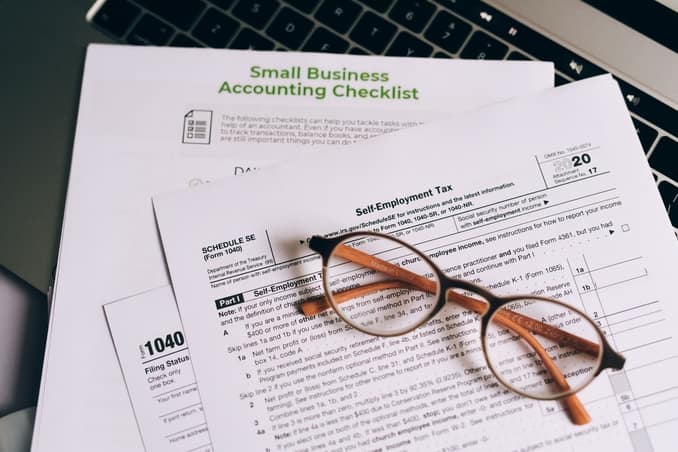
Waiting until tax season to think about taxes is like checking your car’s fuel gauge after driving 500 miles. You might be fine, or you might be about to experience a very unpleasant afternoon. A periodic review gives you time to spot changes in income, expenses, investments, or other financial circumstances. Set a reminder to review your finances every few months. Look at your income and major expenses, then check your records for missing information. This does not require hours of spreadsheet work. A short review can reveal issues while there is still time to address them.
Separate Personal and Business Expenses
If you run a business or earn income independently, mixing personal and business spending can create a mess. A restaurant receipt may look harmless until you are trying to remember six months later why it was purchased. Keeping separate accounts and records makes the purpose of each transaction much easier to establish. Use dedicated accounts or payment methods for business activity when appropriate. Keep receipts and supporting documents with enough detail to explain the expense. This habit can save significant time during tax preparation. It also gives you a clearer view of how your business is actually performing.
Plan for Tax Payments Early

One of the biggest financial shocks is realizing you owe more tax than expected. The bill itself may not be the only problem. If you have not set money aside, paying it can disrupt your budget or force you to dip into savings. If you expect to owe taxes, account for that possibility throughout the year. Set aside part of relevant income rather than treating the money as available spending cash. The exact amount depends on your circumstances, so professional guidance can be valuable. The goal is simple: avoid letting a predictable expense become an emergency.
Make Tax Planning a Year-Round Habit
Tax planning works best when it becomes part of your normal financial routine. You do not need to think about taxes every single day. A few scheduled check-ins can keep records current and give you time to make informed choices. Good habits also make other financial decisions easier. You can see where your money goes, recognize changes in income, and prepare for upcoming obligations. Tax planning may never become your favorite hobby, and that’s perfectly fine. The win is having fewer surprises when tax season arrives.…


 If you find yourself struggling to manage your installment loan payments, it’s essential to explore repayment options offered by the lending institution. Many lenders offer flexible repayment plans that can help ease financial burdens. These options include extending the loan term, reducing monthly payments by refinancing, or even temporarily deferring payments in cases of financial hardship.


 Now that you have a budget set up, it’s time to stick to it. This means avoiding impulse purchases and monitoring your spending. You should review your budget periodically to ensure it aligns with your goals. Remember that budgeting is a process, and success may not come overnight. Also, avoid falling into the trap of thinking that budgeting means you can’t ever have fun. Finding ways to enjoy yourself within your budget is essential to achieving financial success.
 A business line of credit is a type of financing that allows you to borrow money up to a specific limit. You can use the funds for any business purpose, and you only have to pay interest on the amount you borrow. Lines of credit are usually revolving, which means that you can borrow the money again once you have repaid it.
 Banks and other financial institutions offer business lines of credit. The application process is similar to that of a business loan. You will need to provide financial information about your company, such as tax returns, bank statements, and income statements. The lender will also want to see your personal credit history. If you have a strong credit score, you will be more likely to be approved for a higher amount.
 When choosing the best pay stub maker for your company, you need to do your homework first. That means you need to evaluate your company’s needs regarding what features would work best for you. For example, if you have a small company with fewer than 100 employees and no in-house HR department, your needs may differ from a more significant business. It’s also essential to consider the needs of your employees. For example, you may have a few employees who need to be paid every week and only use direct deposit. However, other workers may want paper pay stubs for their records or show them to others as proof of income.
 If your business has a lot of employees who change jobs frequently, you may want to consider an online pay stub maker that offers flexible database capabilities. For example, this type of software will allow you to easily add and remove new workers as needed without inputting all the data manually every time someone switches positions or leaves the company altogether. It can also give you the option to store employee data for years, which is helpful if your business has employees who have been with you for longer than just a few short months.
 Today, you can find countless websites that let people apply for payday loans. However, not all of these companies are reputable or trustworthy. Some require hefty fees and interest rates to process the application quickly. Others might have hidden fee structures that seem attractive at first but end up being just as expensive as other loan providers in the long run. One of the best ways to find a reputable payday loan company is by using an online search engine. Search for “payday loans” or “online payday loans,” and you will find hundreds of websites that are advertising their services with promises to get your cash fast.
 This is a step that many people don’t know about. You need to submit documentation for each of the following: proof of income, recent bank statements, and your social security number.
 Since payday lenders only give you a few days to pay your loan, they can be costly. If you use your money responsibly and avoid falling behind on bills or spending more than what’s in your bank account, then getting a payday loan is unnecessary. Payday lenders prey on those who don’t have the luxury of waiting a few days for their money to come in. So you must be careful not to fall into the trap of needing a payday loan because you didn’t plan.